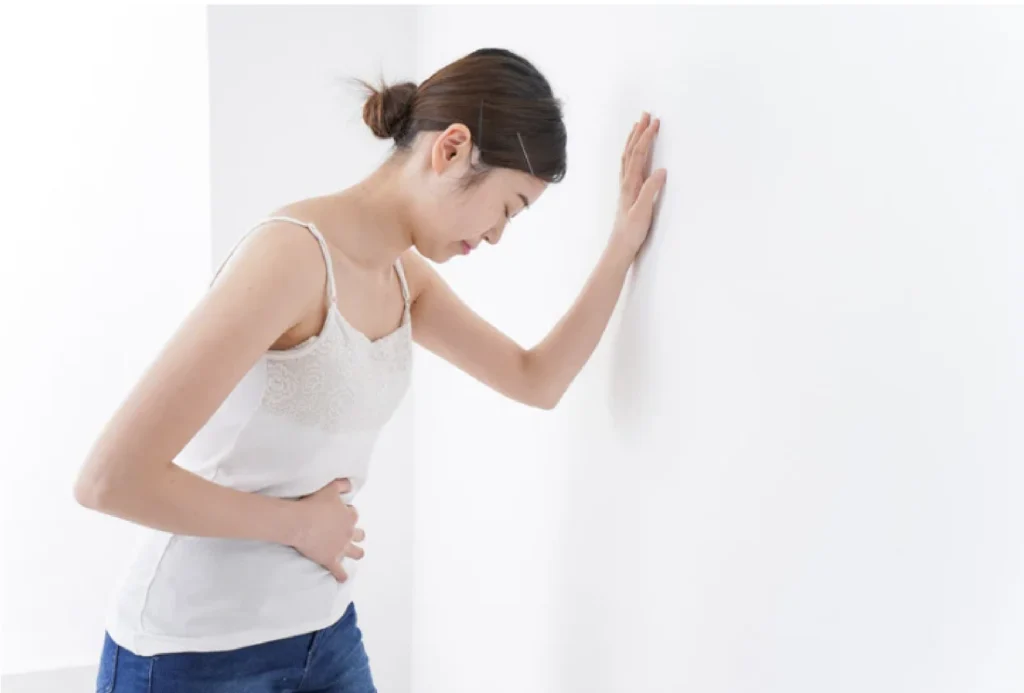
Period pain, or dysmenorrhea, affects up to 80% of women at some point in their lives. While cramps are often treated with pain relievers, nutrition and lifestyle strategies can make a powerful difference in reducing inflammation, balancing hormones, and even addressing underlying causes like anemia.
In this blog, we’ll explore how an anti-inflammatory diet and iron optimization can help you feel better during your cycle.
The Role of Inflammation in Period Pain
Menstrual cramps are caused by the release of prostaglandins—chemical messengers that trigger the uterus to contract. High levels of inflammatory prostaglandins can worsen pain, bloating, and fatigue. That’s why an anti-inflammatory diet can directly reduce the severity of cramps.
Anti-Inflammatory Nutrition Strategies
1. Focus on Whole, Plant-Rich Foods
Eat plenty of colorful vegetables and fruits for antioxidants that reduce inflammation.
Include legumes, nuts, seeds, and whole grains for steady energy and fiber.
2. Add Omega-3 Fats
Sources: salmon, sardines, mackerel, flax, chia, walnuts.
Omega-3s compete with inflammatory prostaglandins and ease cramping.
3. Limit Pro-Inflammatory Foods
Reduce processed foods, refined sugar, fried foods, and excess alcohol.
Minimize red meat and full-fat dairy, which can increase inflammation in some women.
4. Balance Blood Sugar
Eat protein + fiber with each meal to avoid spikes.
Choose slow-digesting carbs: quinoa, oats, brown rice, sweet potatoes.
5. Boost Magnesium
Magnesium relaxes uterine muscles and reduces cramps.
Best sources: dark leafy greens, pumpkin seeds, almonds, avocado, black beans, dark chocolate.
6. Use Herbs and Spices for Relief
Ginger has been shown to work as effectively as ibuprofen for cramps in some studies.
Turmeric and cinnamon add natural anti-inflammatory benefits.
Try ginger or chamomile tea during your period for soothing relief.
Periods, Heavy Bleeding & Anemia
For many women, heavy bleeding leads to iron deficiency anemia, which worsens fatigue, dizziness, and even period pain. If you experience heavy or prolonged cycles, it’s important to:
Ask your doctor for a simple blood test to check hemoglobin and ferritin (iron storage levels).
By combining anti-inflammatory nutrition with iron support, you can reduce cramps, improve energy, and feel more in control of your cycle.
Recommended Reading
Dr. Aviva Romm: Hormone Intelligence
7-Day Meal Plan for Reducing Period Cramps & Supporting Iron
Day 1
Breakfast: Overnight oats with chia seeds, almond butter, and blueberries.
Lunch: Lentil & spinach soup with a side of quinoa.
Snack: Pumpkin seeds + orange slices (Vitamin C boosts iron absorption).
Dinner: Grilled salmon with roasted sweet potatoes and steamed broccoli.
Day 2
Breakfast: Avocado toast on whole grain bread with pumpkin seeds.
Lunch: Chickpea salad with cucumber, cherry tomatoes, olive oil, and lemon.
Snack: Dark chocolate (70%+) + strawberries.
Dinner: Turkey chili with kidney beans, bell peppers, and brown rice.
Day 3
Breakfast: Smoothie with spinach, banana, flaxseed, almond milk, and cinnamon.
Lunch: Quinoa bowl with roasted beets, kale, walnuts, and tahini dressing.
Snack: Apple slices with almond butter.
Dinner: Grilled sardines with lemon, sautéed greens, and quinoa.
Day 4
Breakfast: Scrambled eggs with spinach and mushrooms.
Lunch: Black bean burrito bowl with avocado, brown rice, and salsa.
Snack: Hummus with sliced peppers and carrots.
Dinner: Baked salmon with turmeric-roasted cauliflower and lentils.
Day 5
Breakfast: Greek yogurt (or coconut yogurt) with flaxseed and raspberries.
Lunch: Tofu stir-fry with broccoli, bok choy, ginger, and sesame.
Snack: Trail mix with almonds, pumpkin seeds, and dried apricots.
Dinner: Grilled chicken with roasted butternut squash and spinach salad.
Day 6
Breakfast: Warm steel-cut oats with cinnamon, walnuts, and pear.
Lunch: Sardine salad on whole grain crackers with cucumber and arugula.
Snack: Smoothie with kale, mango, chia seeds, and ginger.
Dinner: Lentil curry with turmeric, served over brown rice.
Day 7
Breakfast: Veggie omelette with peppers, spinach, and onions.
Lunch: Mediterranean quinoa salad with chickpeas, parsley, lemon, and olive oil.
Snack: Dark chocolate + handful of pumpkin seeds.
Dinner: Grilled trout with roasted Brussels sprouts and sweet potato mash.
Extra Tips
- Drink ginger or chamomile tea daily during your cycle.
- Stay hydrated — water helps reduce bloating and muscle tension.
- If you have heavy bleeding, talk to your doctor about testing for anemia and iron supplementation.
This plan blends anti-inflammatory foods with iron-rich meals to reduce cramps, improve energy, and support overall menstrual health.
Read More About Iron Deficiency and Anemia on Our Blog
Iron Deficiency in Women: From Teen Years to Menopause
Get Support
- Bonnie Flemington — Certified Nutritional Practitioner — Book
- Gina Alfieri — Certified Nutritional Practitioner — Book
- Jessica Pozo — Registered Nurse and Health Coach — Book
- Farah Jamani — Pharmacist; Board Certified Functional Health and Mindset Coach — Book